


Slot Volatility Explained: Why Big Wins Aren't Always Better
Ask ten slot players what they want most and nine will say the same thing: a game that pays big. It sounds obvious. It isn't. If you've ever sat on a slot
Ask ten slot players what they want most and nine will say the same thing: a game that pays big. It sounds obvious. It isn't. If you've ever sat on a slot for an hour, fed it a hundred spins, and walked away with nothing but a few scattered wins, you weren't unlucky. You were playing a high-volatility game on a small bankroll, which is a bit like entering a marathon with the energy reserves of a sprint. The machine wasn't rigged. Your strategy was.
Volatility (sometimes called variance) is the single most misunderstood concept in casino gaming. Players obsess over RTP percentages, which are important, but they often ignore volatility entirely. That's a mistake that costs real money. Let's fix it.
What Volatility Actually Means
Volatility describes how a slot distributes its payouts over time. Every game has a theoretical return-to-player percentage, usually somewhere between 94% and 97% for online slots. That number tells you what percentage of all wagered money gets returned to players over millions of spins. It does not tell you when that money comes back or how.
A low-volatility slot behaves like a slow drip. Wins come frequently, they're usually modest, and your balance bounces along gently. A high-volatility slot behaves like a lottery ticket machine. Long, punishing dry spells dominate the experience, and if your balance survives them, the payouts can be enormous. Same RTP, radically different experiences. สล็อต is a solid starting point for anyone new to this.
That distinction matters more than most players realize. Two slots with identical 96% RTP profiles can feel nothing alike. One might pay you a small win every eight or nine spins. The other might leave you cold for two hundred spins and then hand you a 900x multiplier on a single bonus round.
Where Exactly Do Slots Fall on the Spectrum?
Most developers don't slap a volatility rating on the game screen, though many list it in the paytable or help menu. Here's a rough practical guide:
- Low volatility: Frequent wins under 5x your bet. Slots like classic fruit machines, many NetEnt staples, and simple 3-reel games. Sessions tend to be steady, and your bankroll stretches further.
- Medium volatility: A mix of regular small wins and occasional medium ones in the 10x to 50x range. This is where most modern video slots sit, including popular Book of Ra and similar styles.
- High volatility: Rare wins, but monster potential. Think slot giants like Money Train, San Quentin, or many Relax Gaming releases. A single bonus round can hit 5,000x or more.
There's no universally "best" tier. A low-volatility session is perfect for a casual Tuesday evening with a modest deposit. A high-volatility session is a calculated gamble where you accept brutal swings for the shot at a real score. The trick is matching the game to your bankroll and to what you're actually in the mood for.
The Poker Table Teaches the Same Lesson
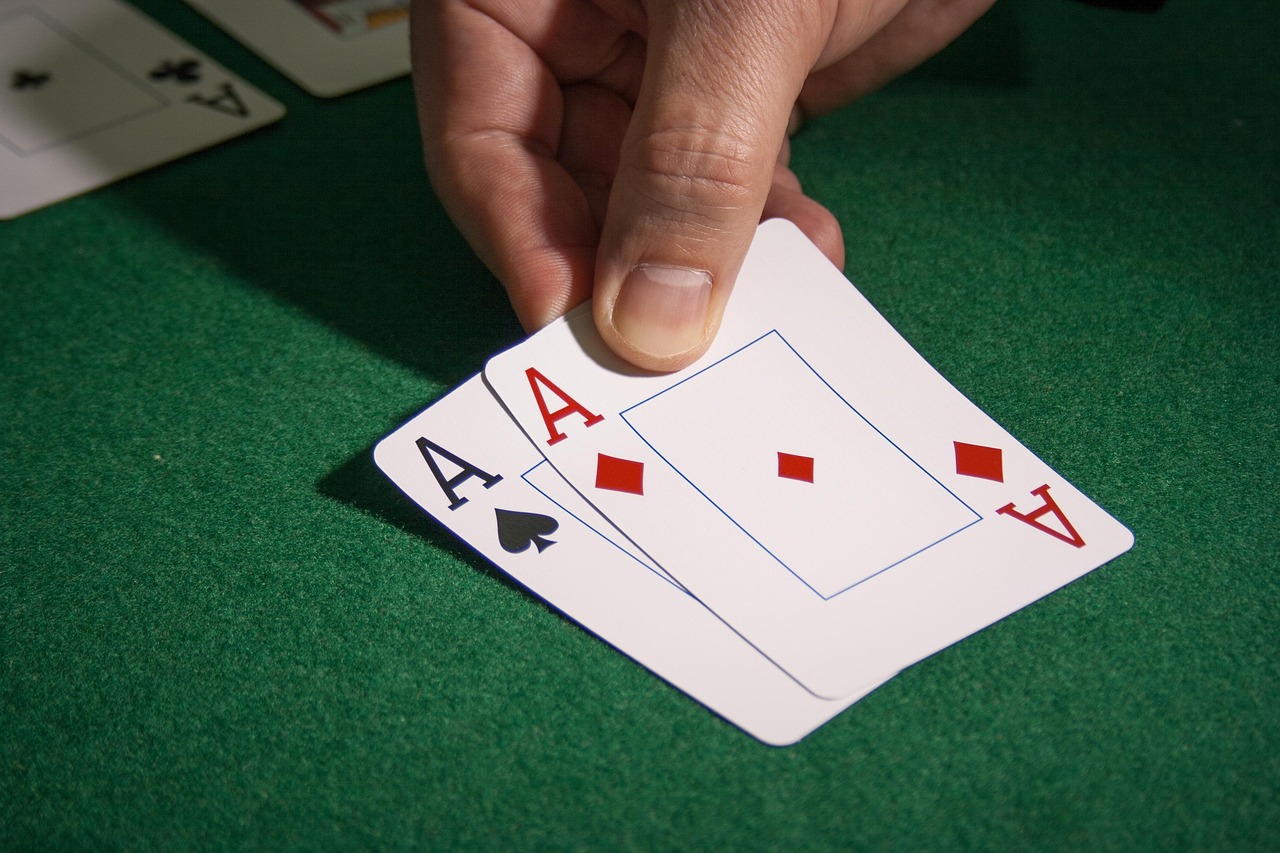
Interestingly, this volatility argument isn't unique to slots. Poker players deal with variance every single session. A cash game grinder with a tight-aggressive style will see modest, reliable profits over hundreds of hands. A tournament player who chases deep runs in big fields endures long stretches of busting out with nothing to show for it, punctuated by occasional massive paydays.
Both approaches can be profitable, but they demand completely different psychological tolerances and bankroll management rules. A tournament grinder who pays the rent with their winnings is gambling in a way that a disciplined cash player simply isn't. The math might both be sound. The lifestyle isn't.
Sports bettors face an identical trap. Backing heavy favorites pays small and wins often. Realistically backing rank outsiders pays large and loses often. Neither is inherently smart. Your strategy only makes sense in combination with your bankroll and your tolerance for dry spells.
Five Ways to Use Volatility Knowledge
Once you understand the concept, it changes how you play. Here are concrete habits that separate a disciplined player from someone throwing money at random games:
- Match volatility to bankroll size. A general rule of thumb: your bankroll should cover at least 100 to 200 spins on high-volatility games, and 50 to 100 spins on low-volatility ones. Playing high-volatility slots with 30 spins left in your balance is a guaranteed exit.
- Switch when tilt sets in. If you've burned through a high-volatility game's dry spell with no bonus, dropping to a lower-variance game for a while keeps you in the session and stops you chasing losses into oblivion.
- Check the bonus buy cost. If a slot offers feature buys, the price tells you a lot. A bonus at 100x your stake means the developers expect it to return around that much on average. At 300x, it's a high-variance beast.
- Read the max win figure. A slot advertising a max win of 5,000x or 50,000x is almost certainly high volatility. Games capped at 500x are probably more forgiving.
- Adjust your spin size. On high-volatility games, lower your stake and spin longer. On low-volatility games, you can afford to bet a bit more without rapid ruin.
None of these tips will overcome a negative house edge. They won't turn losing games into winning ones. What they will do is prevent the most common disaster: a player running out of money before a high-volatility slot has any chance to pay.
The House Edge Doesn't Go Away
One clear-eyed reality deserves stating plainly. Volatility influences how you experience the game. It does not change the mathematical expectation over the long run. A slot with a 3% house edge will keep 3% of everything wagered over time, regardless of how violently it swings along the way.
Choosing games wisely can extend a session and make entertainment value per dollar go further. It won't outrun the house edge. Nothing legitimate does. Treat slots, poker, and betting as you would any paid entertainment, and volatility knowledge becomes a budget tool rather than a magic bullet.
Conclusion
The next time you load a slot with a flashy "max win 10,000x" banner, you'll know exactly what you're signing up for: a lottery ticket in digital form. That's not a flaw — for some players, it's the whole point. But it demands a bankroll built for the ride, and a mood that can handle watching it run dry. Volatility isn't a marketing gimmick. It's the actual architecture of the game, and understanding it is the difference between playing with a plan and playing with hope.


Post a comment