


The Psychology of the Spin: Why Slots and Poker Hook Your Brain
There's a specific moment every gambler knows. Your thumb hovers over the spin button. The reels are still. For a half-second, anything is possible. Then y
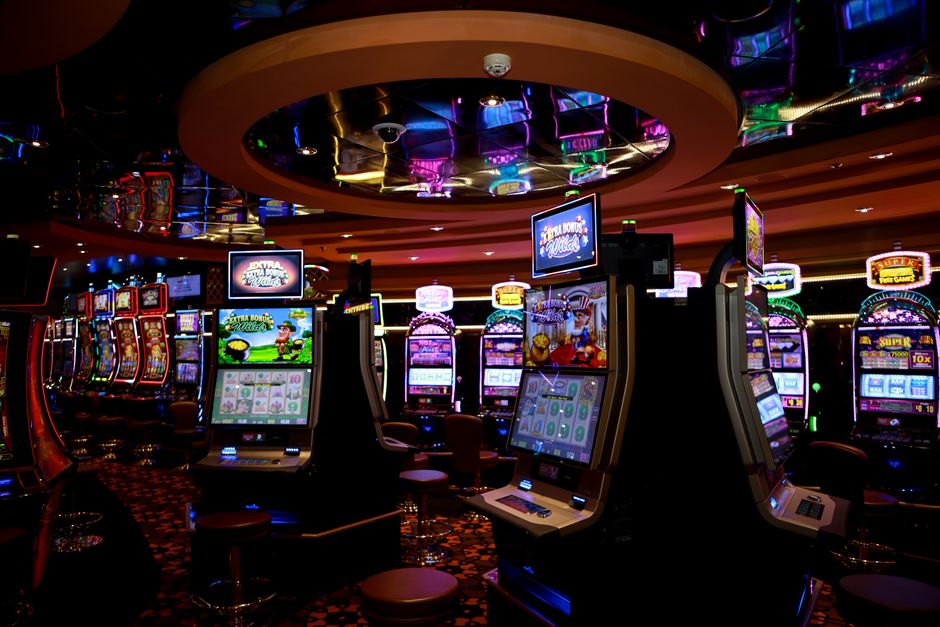
There's a specific moment every gambler knows. Your thumb hovers over the spin button. The reels are still. For a half-second, anything is possible. Then you press it, and the world either rewards you or doesn't. That tiny loop — anticipation, action, outcome — is the engine that drives the entire iGaming industry. It's not really about the money, at least not exclusively. It's about what happens in your skull during those three seconds. Understanding that machinery won't necessarily stop you from playing, but it will change how you see every hand, spin, and accumulator you ever touch.
The Variable Reward Loop That Runs Everything
B.F. Skinner figured this out with pigeons in the 1950s. When you reward an animal on a fixed schedule — every fifth peck, say — it learns quickly and then gets bored. But reward it unpredictably, on a variable ratio, and it will keep pressing that lever until it collapses from exhaustion. Slot machines are Skinner boxes with better lighting. The payout schedule is deliberately erratic. You might hit three scatters on your first spin, then go 200 spins without a feature. That unpredictability isn't a bug; it's the product.
Online slots are engineered around this principle more precisely than almost any other gambling format. Modern video slots often run at 96% RTP, which sounds generous until you realise that the house edge compounds ruthlessly over thousands of spins. What keeps players engaged isn't the math, though. It's the near-miss. A 2020 study in Nature Neuroscience found that near-misses activate the same reward circuitry as actual wins in problem gamblers, which is why a slot that lands two scatters out of three feels almost like a victory. Poker doesn't have near-misses in the same visual sense, but it has bad beats and one-outer rivers, which perform a similar emotional trick.
Slots vs Poker: Two Very Different Brains
If slots are a Skinner box, poker is a chess clock wired to a slot machine. The formats attract genuinely different personality types, and the psychological rewards are almost opposite.
- Slot players crave dissociation. The spinning reels, the chimes, the autoplay feature — all of it is designed to induce a trance-like state where time disappears. There's no decision to make, which is precisely the point. It's a break from agency.
- Poker players crave control. They want to believe (and often correctly) that skill determines outcomes. The dopamine hit isn't from the spin; it's from reading an opponent, executing a bluff, and getting paid off. It's intellectual validation with a cash prize attached.
- Sports bettors sit somewhere in between. They do research, they form opinions, but the outcome arrives without their input once the bet is placed. It's poker's ego investment with slots' passivity at the moment of truth.
This is why crossovers are rarer than you'd think. A pure slots player dropped into a $5/$10 no-limit hold'em game will often feel overwhelmed and exposed. A grinder sitting at a penny slot feels bored within minutes. The neurochemistry is simply tuned differently.
The Role of Losses (and Why They Don't Stop You)
Here's the part that trips people up. Losses hurt. They fire up the brain's pain centres, particularly the anterior insula. You'd think that would be enough to make you stop. In casual players, it often is — they lose $150, feel lousy, and walk away. But in regular players, something else kicks in: loss chasing, the compulsion to recover what's gone. The same brain region that registers pain also drives the urge to make it right.
Poker players are not immune, but their relationship with loss is more analytical. A good player reviews a losing session the way a golfer reviews a bad round — bad reads, bad luck, tilt. They separate process from outcome. Slot players rarely have that luxury because there's no process to evaluate. You spun, you lost. The only variable you control is the bet size.
This is why bankroll management gets hammered into every serious gambling conversation. It's the one form of control that actually works: This is explained well on สล็อต.
- Decide what you can lose before you sit down, and treat that number as spent.
- Set a hard stop-loss and a stop-win. Yes, a stop-win — booking profit is a skill.
- Never chase. If you're pressing spin to get even, you've already lost the session mentally.
- Track sessions. A simple spreadsheet will tell you more about your habits than any forum thread.
The Illusion of Control in Slots and Poker
Slot designers know that players want agency even when none exists. So they give you buttons to press: stop the reels manually, choose your bet lines, pick a volatility setting. None of it changes the outcome, but it changes how it feels. A 2011 study at the University of Waterloo found that players who pressed a stop button felt more responsible for wins and less responsible for losses — a perfect psychological cocktail for continued play.
Poker has the opposite problem. Players overestimate their control. They attribute wins to skill and losses to variance, which is technically correct in the long run but dangerously inaccurate in short sessions. The real skill in poker is bankroll discipline and emotional regulation, not knowing whether to call a 3-bet with pocket nines.
What High-Volume Players Do Differently
Spend any time around winning slots streamers or professional poker players and you'll notice patterns that have nothing to do with luck.
- They treat gambling as entertainment with a cost, not an income source.
- They deliberately take breaks — mandatory 15-minute walks, no autoplay for more than 50 spins.
- They set session limits in advance, both money and time.
- They avoid gambling when tired, drunk, or emotionally raw. Tilt doesn't just affect poker; it affects every bet you make.
Where the Industry Goes Next
Regulators are catching on to the psychology. The UK, Sweden, and several Australian states now mandate deposit limits, session reminders, and in some cases stake caps on slots. Some operators use AI to flag behaviour patterns — chasing losses, escalating bets at 3am — and intervene. Whether that's genuine care or risk management is debatable, but the effect is real.
Simultaneously, gamification is getting more sophisticated. Daily rewards, missions, and loyalty schemes blur the line between gambling and mobile gaming. If you've ever opened a casino app to claim a free spin you didn't really want, you've felt the pull. That's the variable reward loop again, just dressed in a different colour scheme.
The uncomfortable truth is that the same brain architecture that makes slots thrilling makes poker compelling makes sports betting addictive. There's no clean way to separate the joy of the risk from the risk itself. The best any player can do is understand the machine — including the part of it living in their own head. Play with money that doesn't matter, take breaks, and never, ever chase. The reels will keep spinning whether you're watching or not.

Post a comment